
As much as you’d think to say that microstock books are irrelevant due to all sorts of recent developments, like AI, earnings restructuring, Shutterstock and Getty mergers etc., I think some books about microstocks are still highly valuable. In the end, some things never change - salespeople need creative materials for advertising, writers need illustrations for their blogs, YouTubers need video snippets and so on. So here we are, with a shortlist of interesting books that can teach you something you hopefully didn’t know yesterday!
Classics section
“Getting started in Stock Photography” by Steve Heap
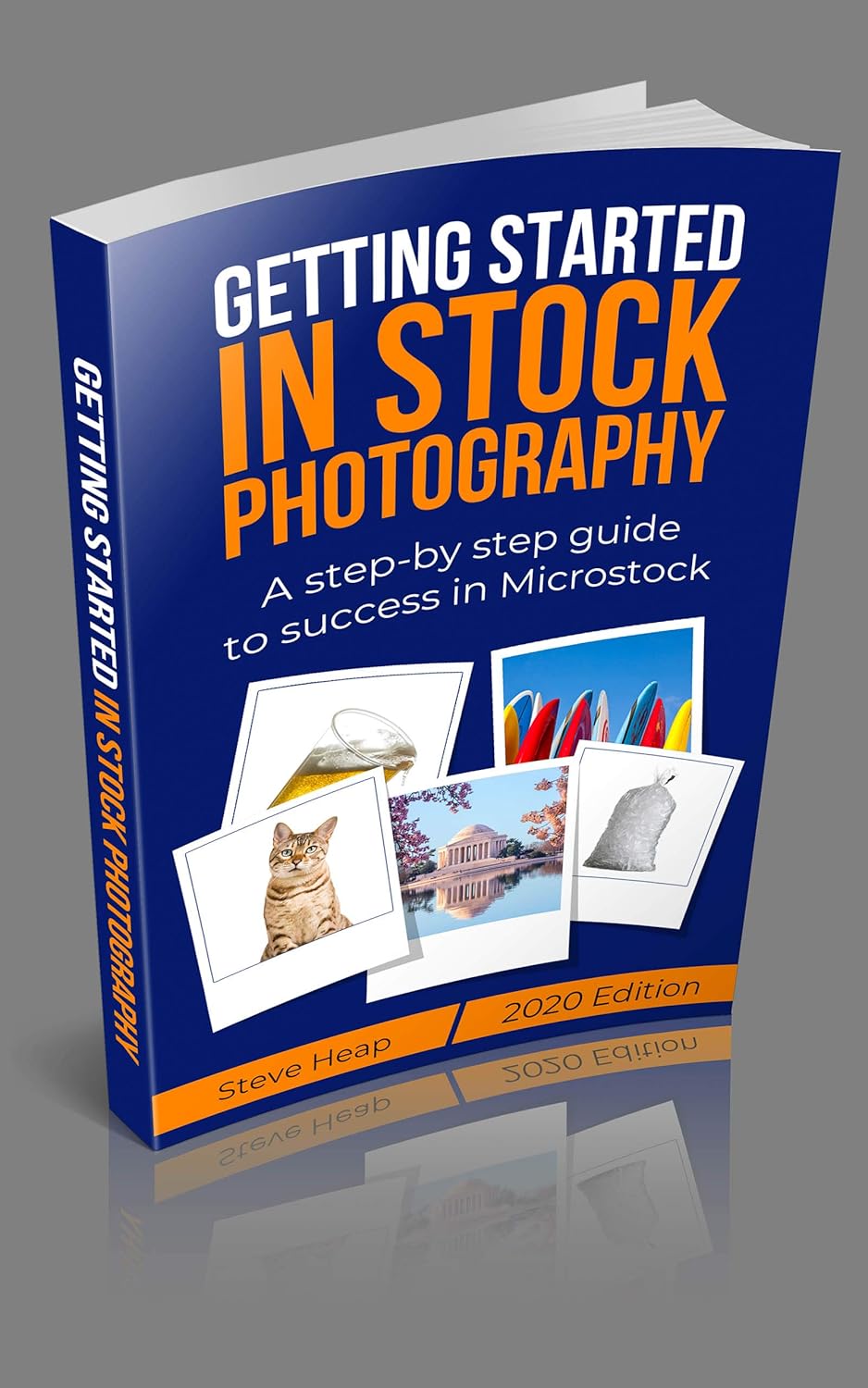
A classic book by a fellow bloger from Backyard Silver (published in 2014), this book is more down-to-earth guide for aspiring stock photographers. Steve Heap regularly publishes interesting articles about microstocks and this book is a great compilation of all of his advice and tricks. This book will suit to newcomers into the industry with explanation of the workflows: he explicitly covers keywording secrets, uploading approaches, portfolio analysis, editorial additions, and software tools. Steve’s book can be found on Amazon.
“Hidden Secrets to Getting Your Photos Sold” by Ron Miller
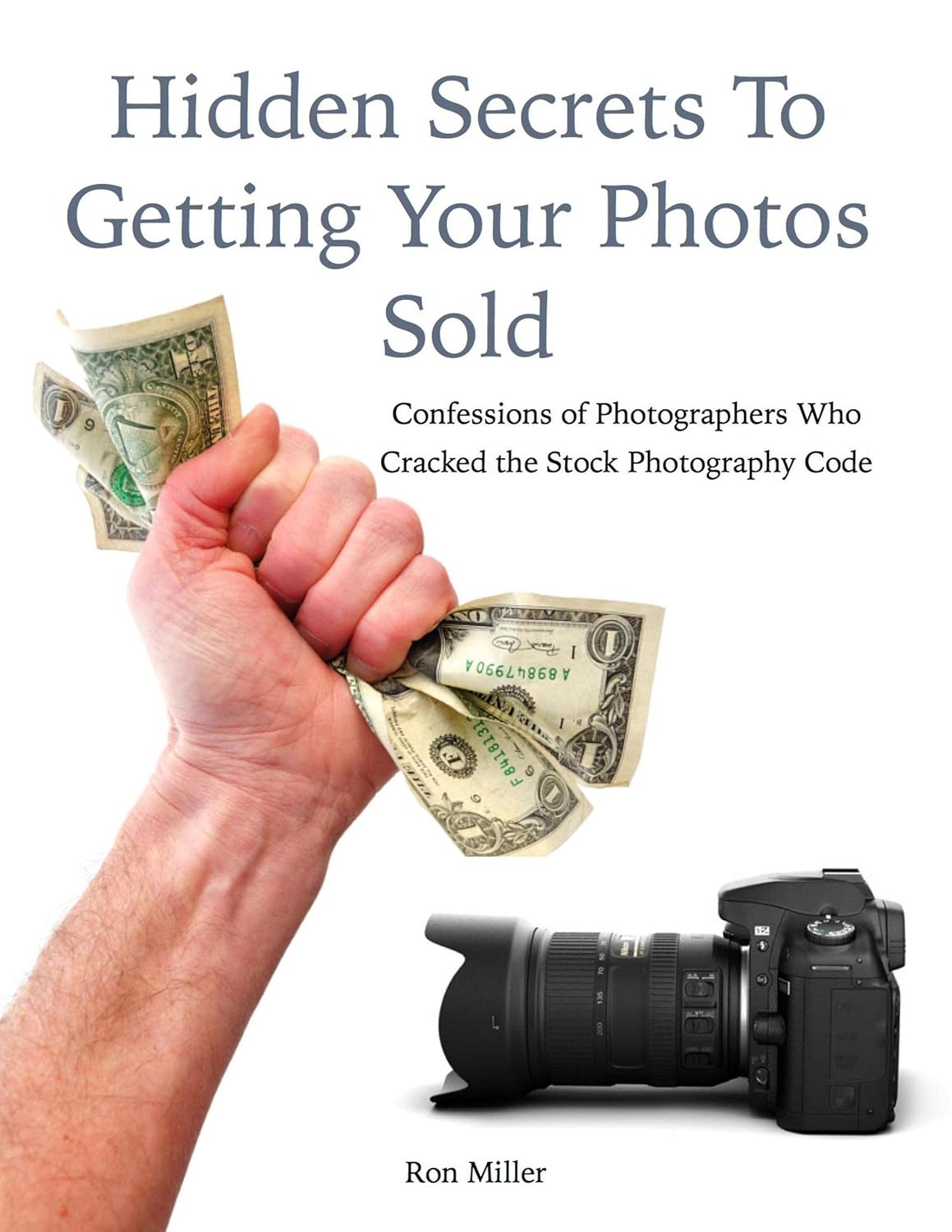
A tiny (28 pages!) e-book, published in 2019, just packed with useful advice on almost every page of it. On Apple iBook it costs only $3 at the time of writing this article and I don’t know how better you can spend $3 if you want to read something about microstocks. This book will cater more to people who already started on microstocks, uploaded their first assets and are wondering why they are not selling. You can find it on Amazon or Apple Books.
“Niches” by Alessandro Grandini
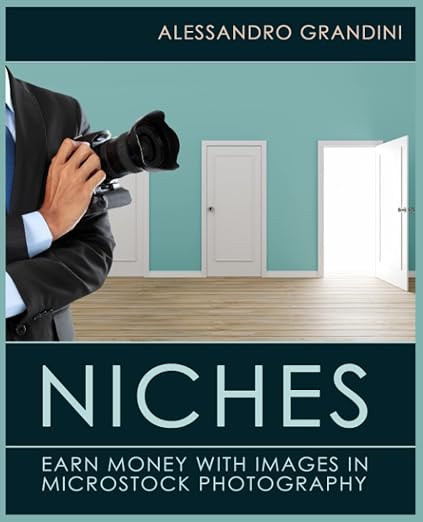
“Niche down” is the cliche answer to when someone asks how to stand out in a crowded market. And it’s a cliche, because it’s true, of course. Niches are the “how to succeed on microstocks” and this book from 2021 explains it to you in a very direct way. Definitely recommended. It will suit more to contributors with some experience. Find it on Amazon.
“Brutally Honest Guide to Microstock Photography” by Alex Rotenberg
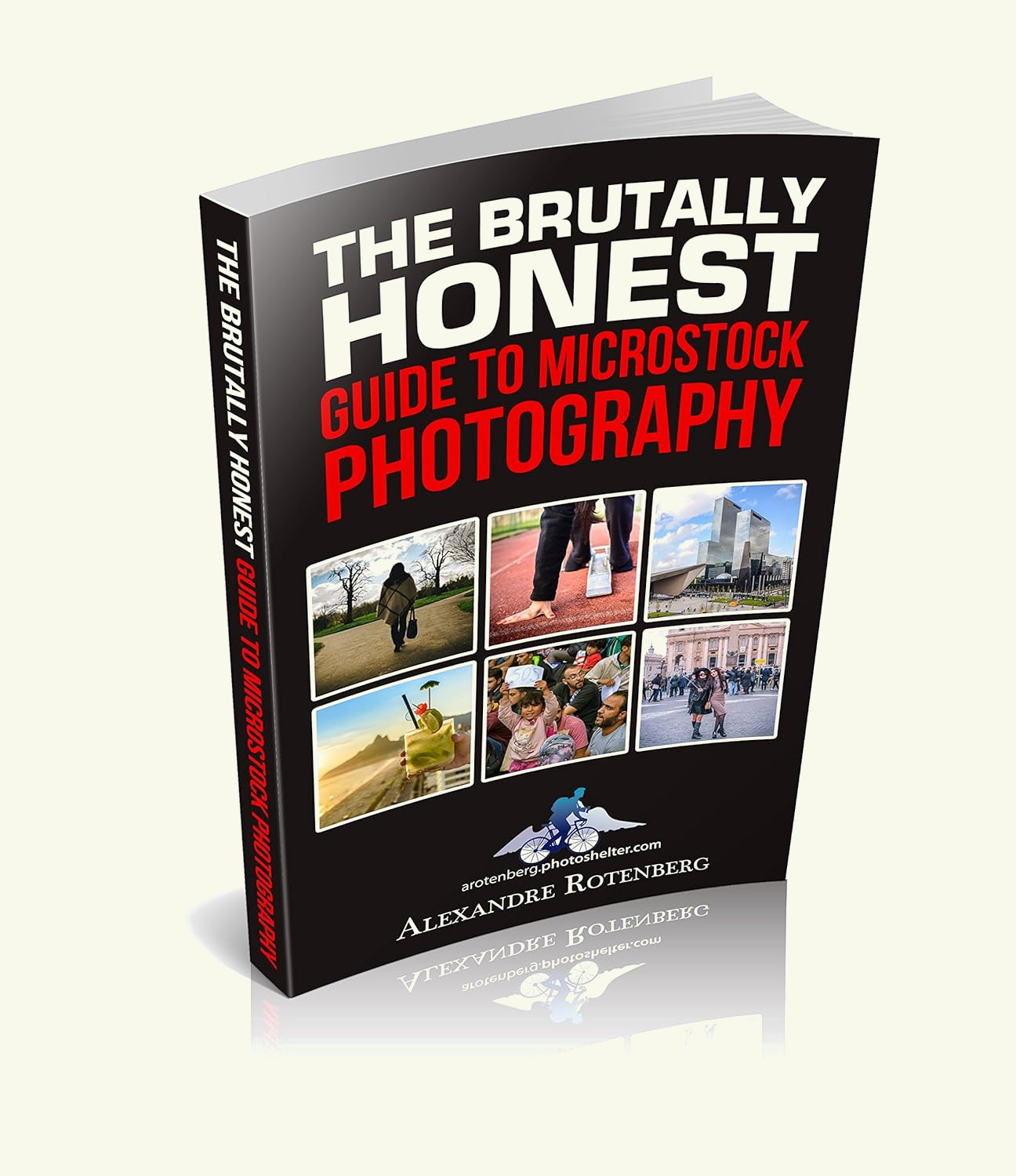
Another self-published book by a fellow blogger from Brutally Honest Microstock from 2017. It is a candid look at what worked and what didn’t for Alex across many years of his experience. Book suits more to beginner side of the spectrum - it’s a great (and useful) read if you’re just starting out.
“Sell Your Photos and Videos Online” by Daniele Carrer

A self-published book by Italian stock photographer in 2020 bridges some gap to footage part of the industry. It will fit best to contributors with some experience who want to look into video and/or learn about agency selection, metadata, and time-saving production economics. It’s available on Amazon.
Modern section
“Brutally Honest Drone Pilot’s Handbook” by Alex Rotenberg
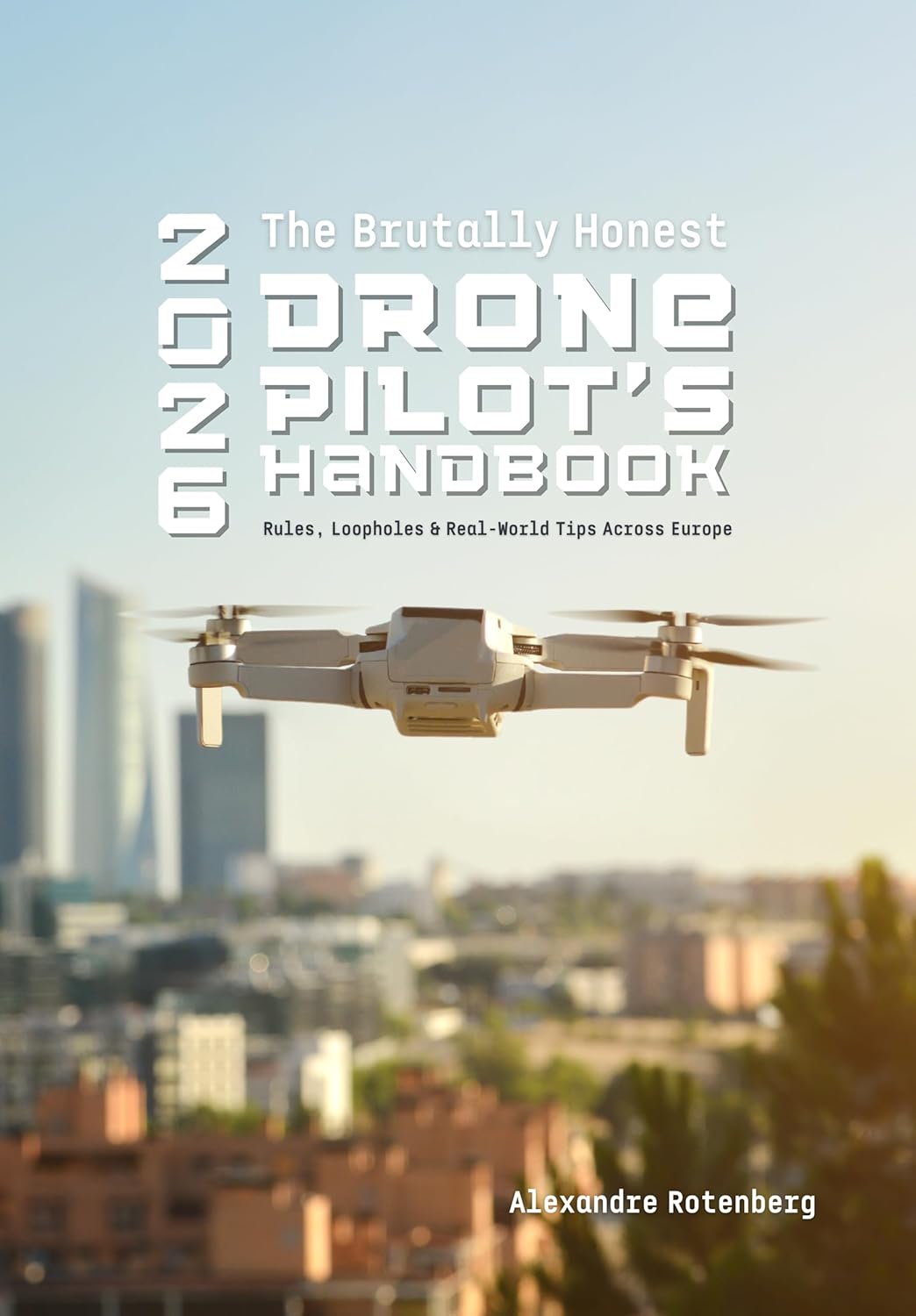
Another book by fellow blogger at Brutally Honest Microstock from 2025, that focuses only on using drones to produce microstock content. The book is very detailed with a lot of technical and legal nuance and intricacies. It was already once mentioned in this blog and worth mentioning again. Footage (and drones) in particular is hard-to-get niche as you need operator license, drone is not cheap, flying skills and a lot of other small things to get right. So if you want to learn some unfair advantages for microstocks and you’re ready to embark at drone journey, this is a book definitely for you.
“Selling Your Fine Art Photography” by Steve Heap
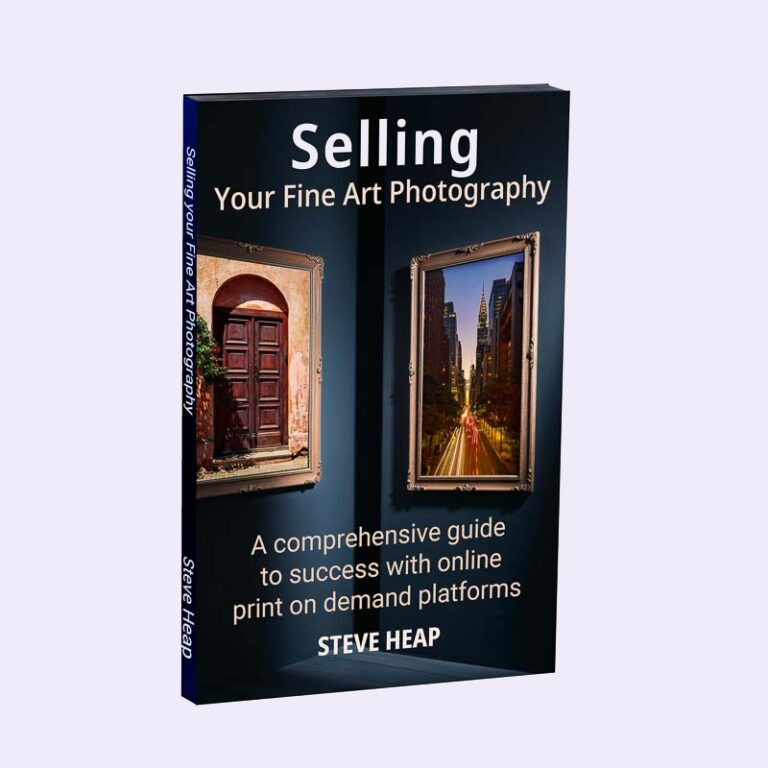
Okay, this is not exactly microstocks, but if you want to branch out at some point, you have options of Book Covers, Fine Art or Print-On-Demand. This book, published in 2025 is a very fresh account on how to do it with Fine Art. It delivers you years of Steve Heaps experience of preparing and selling prints and artworks across a number of not-stock agencies like Fine Art America or Pictorem. You can buy this book directly from Steve.
Inspector perspectives
“Taking Stock” by Rob Sylvan
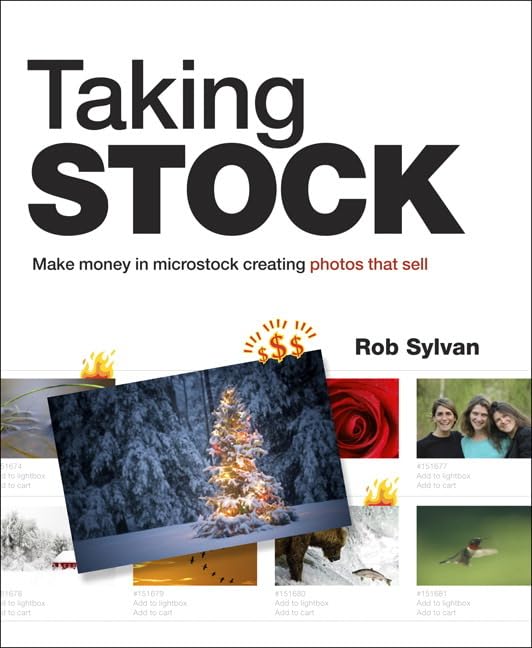
Published by no one other than O’Reilly in long forgotten 2010, a guide from a veteran of early stock business (based on his experiences at iStock as an inspector). Sylvan’s strongest contribution is probably the “buyer psychology” concept: message clarity, visual communication, research, and concept-first shooting. This book is best for photographers who already know camera basics but want to think like stock buyers, designers, and editors rather than like hobbyists. This book is so old, that it’s available almost everywhere (in terms of format and platform) so it should be no big deal to find it.
Enterprise perspectives
“Microstock Money Shots” by Ellen Boughn
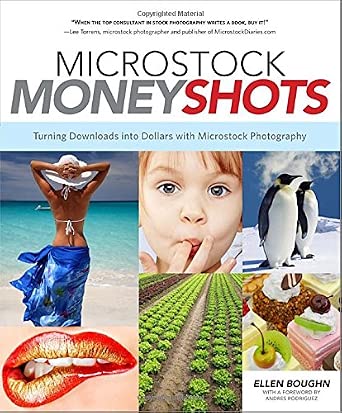
Another relic from 2010, however can give you a very interesting outlook on the same industry, but from the enterprise perspective. Ellen Boughn (executive at Corbis and Dreamstime) outlines how contributors can access high-value specialty markets, such as textbook publishers, greeting card manufacturers, and retail corporate advertising. She details how to plan commercial shoots, coordinate model casting, select culturally relevant wardrobes, and manage property releases. Much of that advice is still surprisingly relevant today.